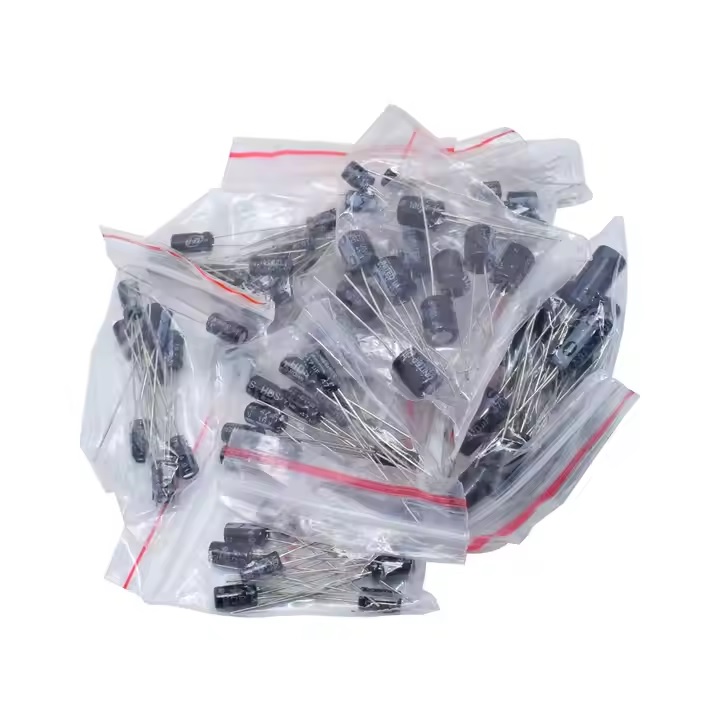
Features
- 12 different capacitance values for a variety of electronic applications.
- Polarized electrolytic capacitor construction.
- Capacitance values ranging from 1µF to 470µF.
- Voltage ratings from 16V to 50V depending on the capacitor value.
- 10 pieces supplied for each capacitance value.
- Suitable for prototyping, repair, education, and general electronic projects.
- Useful for power supply filtering, smoothing, decoupling, and timing circuits.
Principle of Operation
A capacitor stores electrical energy in an electric field between its conductive elements. An electrolytic capacitor uses an electrolyte and a very thin insulating oxide layer to achieve a relatively high capacitance compared with many other capacitor types.
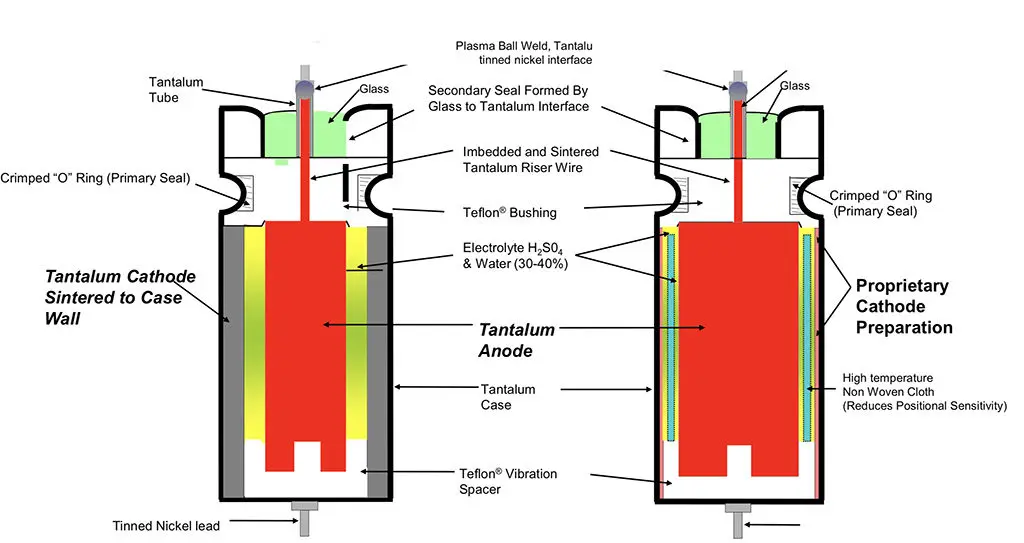
When connected to a DC voltage, the capacitor charges and stores electrical energy. When the voltage across the circuit changes, the capacitor can release the stored energy. This behavior makes electrolytic capacitors useful for reducing voltage fluctuations and filtering unwanted variations in power supply circuits.
These capacitors are polarized. The terminal marked + must be connected to the positive side of the circuit, while the negative terminal must be connected to the lower potential side of the circuit.
Polarity
Correct polarity is important when using electrolytic capacitors. The negative terminal is normally identified by a stripe printed along the body of the capacitor, while the positive terminal is normally the longer lead on a new through-hole capacitor.

- Positive (+): Connect to the higher voltage potential.
- Negative (-): Connect to the lower voltage potential or circuit ground when appropriate.
- Voltage Rating: The applied voltage should not exceed the rated voltage printed on the capacitor.
Do not install a polarized electrolytic capacitor backwards. Reverse polarity can cause excessive current, heating, leakage, or capacitor failure.
Specifications
- Component Type: Aluminum Electrolytic Capacitor
- Capacitor Type: Polarized
- Number of Values: 12
- Quantity: 10 pieces per value
- Total Quantity: 120 pieces
- Capacitance Range: 1µF to 470µF
Included Capacitor Values
| Capacitance | Voltage Rating | Quantity |
|---|---|---|
| 1µF | 50V | 10 |
| 2.2µF | 50V | 10 |
| 3.3µF | 50V | 10 |
| 4.7µF | 50V | 10 |
| 10µF | 50V | 10 |
| 22µF | 25V | 10 |
| 33µF | 25V | 10 |
| 47µF | 25V | 10 |
| 100µF | 16V | 10 |
| 220µF | 16V | 10 |
| 330µF | 16V | 10 |
| 470µF | 16V | 10 |
Features
- 12 different capacitance values for a variety of electronic applications.
- Polarized electrolytic capacitor construction.
- Capacitance values ranging from 1µF to 470µF.
- Voltage ratings from 16V to 50V depending on the capacitor value.
- 10 pieces supplied for each capacitance value.
- Suitable for prototyping, repair, education, and general electronic projects.
- Useful for power supply filtering, smoothing, decoupling, and timing circuits.
Principle of Operation
A capacitor stores electrical energy in an electric field between its conductive elements. An electrolytic capacitor uses an electrolyte and a very thin insulating oxide layer to achieve a relatively high capacitance compared with many other capacitor types.
When connected to a DC voltage, the capacitor charges and stores electrical energy. When the voltage across the circuit changes, the capacitor can release the stored energy. This behavior makes electrolytic capacitors useful for reducing voltage fluctuations and filtering unwanted variations in power supply circuits.
These capacitors are polarized. The terminal marked + must be connected to the positive side of the circuit, while the negative terminal must be connected to the lower potential side of the circuit.
Polarity
Correct polarity is important when using electrolytic capacitors. The negative terminal is normally identified by a stripe printed along the body of the capacitor, while the positive terminal is normally the longer lead on a new through-hole capacitor.
- Positive (+): Connect to the higher voltage potential.
- Negative (-): Connect to the lower voltage potential or circuit ground when appropriate.
- Voltage Rating: The applied voltage should not exceed the rated voltage printed on the capacitor.
Do not install a polarized electrolytic capacitor backwards. Reverse polarity can cause excessive current, heating, leakage, or capacitor failure.
Specifications
- Component Type: Aluminum Electrolytic Capacitor
- Capacitor Type: Polarized
- Number of Values: 12
- Quantity: 10 pieces per value
- Total Quantity: 120 pieces
- Capacitance Range: 1µF to 470µF
Included Capacitor Values
| Capacitance | Voltage Rating | Quantity |
|---|---|---|
| 1µF | 50V | 10 |
| 2.2µF | 50V | 10 |
| 3.3µF | 50V | 10 |
| 4.7µF | 50V | 10 |
| 10µF | 50V | 10 |
| 22µF | 25V | 10 |
| 33µF | 25V | 10 |
| 47µF | 25V | 10 |
| 100µF | 16V | 10 |
| 220µF | 16V | 10 |
| 330µF | 16V | 10 |
| 470µF | 16V | 10 |