

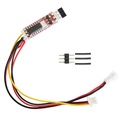
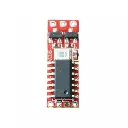
Features
- 6A brushless motor speed controller
- BLHeli-S firmware for smooth and responsive motor control
- Designed for compact FPV and RC applications
- Suitable for brushless motors used in drones and RC aircraft
- Supports 2S LiPo battery operation
- Input voltage range of 7.2 to 8.4 VDC for 2S LiPo batteries
- Fast throttle response for precise motor speed control
- Compact and lightweight construction
- Suitable for multi-motor FPV platforms where individual ESCs are required
- Suitable for other small brushless motor control applications within the specified voltage and current limits
Principle of Operation
A brushless DC motor does not use mechanical brushes to switch current between its motor windings. Instead, the ESC performs electronic commutation by switching the motor phases in a controlled sequence.
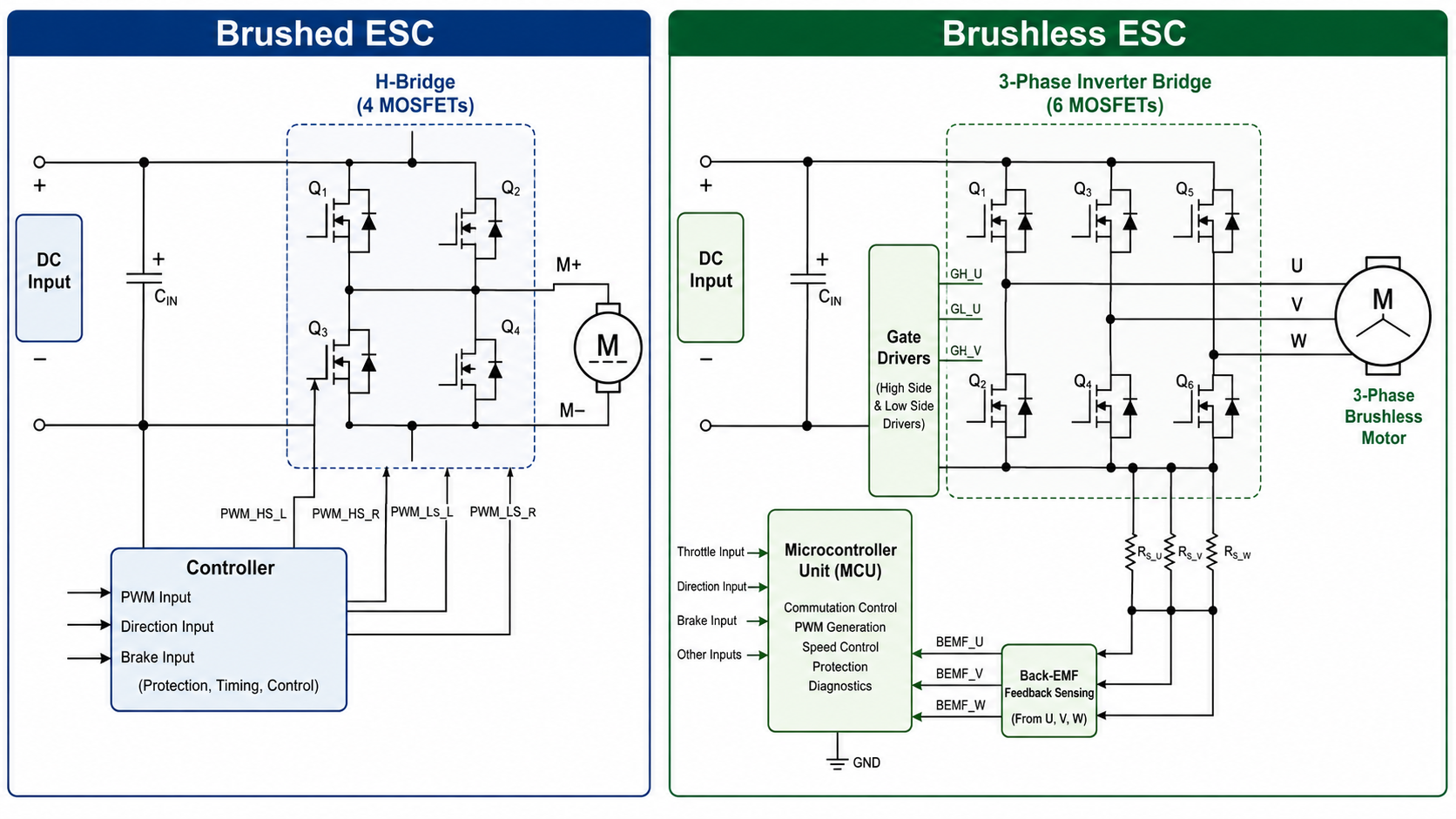
The ESC receives a throttle command from a flight controller, receiver, or other compatible control system. The BLHeli-S firmware processes this command and controls the ESC power stage to regulate the electrical power delivered to the brushless motor. Increasing the throttle command increases the motor drive, allowing the motor to rotate faster. Reducing the throttle command reduces the drive level and motor speed.
The ESC therefore acts as the interface between the DC battery supply and the three-phase brushless motor.
BLHeli-S Firmware
BLHeli-S is firmware designed for brushless motor ESCs and is widely used in FPV and multirotor applications. It provides fast motor response and configurable ESC behavior when supported by the specific ESC hardware.
Depending on the ESC and its supported configuration interface, parameters such as motor response and other operating settings may be configured using compatible BLHeli tools.
Battery Compatibility
This ESC is specified for use with a 2S LiPo battery. A 2S LiPo pack has a nominal voltage of approximately 7.4 V and reaches approximately 8.4 V when fully charged.
The battery voltage must remain within the specified input range of the ESC. Do not connect a battery with a higher cell count unless the specific ESC documentation confirms that it is supported.
Motor Connection
A typical brushless motor has three motor phase wires. These three wires are connected to the three motor outputs of the ESC.
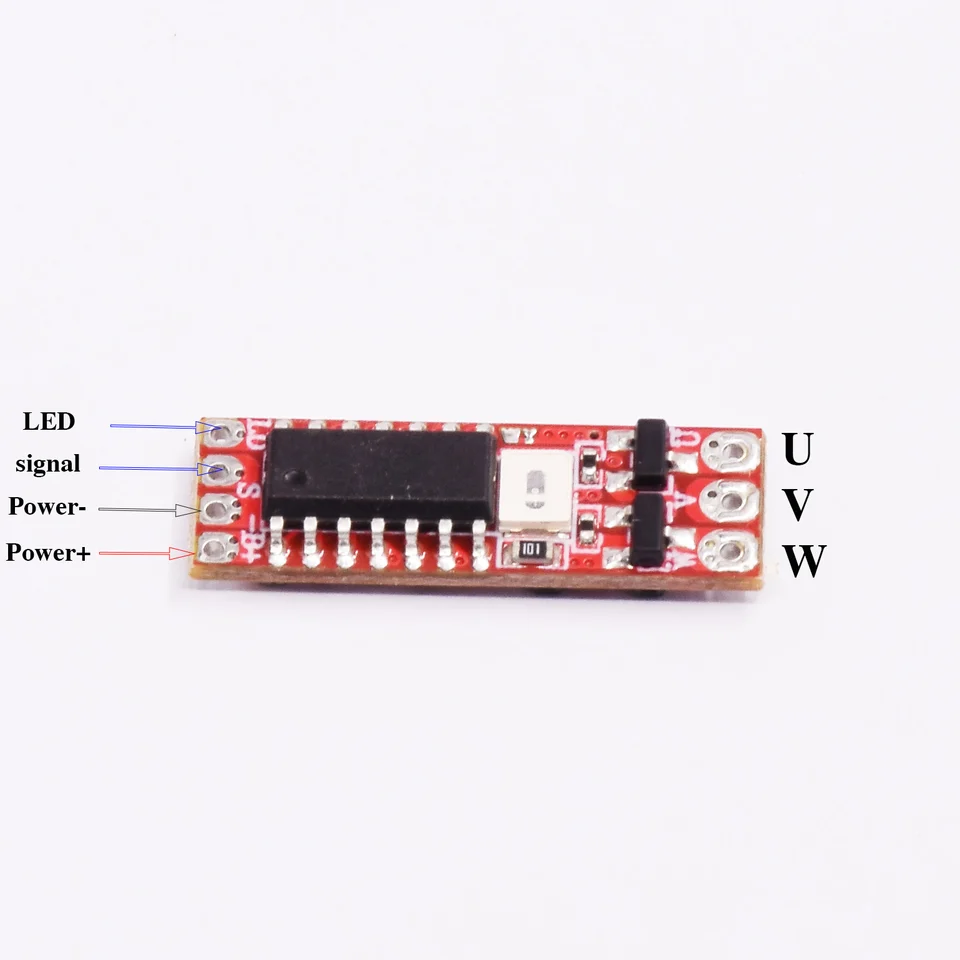
If the motor rotates in the opposite direction from the required direction, the rotation direction can normally be reversed by changing the connection order of two of the three motor phase wires, provided this is permitted by the ESC and motor setup.
Wiring

| ESC Connection | Connect To | Description |
|---|---|---|
| Battery + | 2S LiPo + | Positive DC power input |
| Battery - | 2S LiPo - | Negative DC power input |
| Motor Phase 1 | Brushless Motor | Motor phase connection |
| Motor Phase 2 | Brushless Motor | Motor phase connection |
| Motor Phase 3 | Brushless Motor | Motor phase connection |
| Control Signal | Flight Controller / Compatible Controller | Throttle control signal |
Applications
- FPV racing drones
- FPV freestyle drones
- Small multirotor aircraft
- RC airplanes
- Brushless motor prototypes
- Embedded motor-control projects
- Robotics projects using compatible brushless motors
- Educational brushless motor control experiments
Advantages in FPV Applications
- Compact design helps reduce installation space and weight.
- BLHeli-S firmware provides fast response suitable for frequent throttle changes.
- Individual ESC control allows each brushless motor to be managed independently when used with a suitable flight controller.
- 6A current rating makes the ESC suitable for compatible small brushless motor setups.
Technical Specifications
| Parameter | Specification |
|---|---|
| Product Type | Brushless Electronic Speed Controller (ESC) |
| Model | BLHeli-S 6A Bullet |
| Firmware | BLHeli-S |
| Input Voltage | 7.2 to 8.4 VDC |
| Battery | 2S LiPo |
| Current Rating | 6A |
| Motor Type | Brushless DC Motor |
| Primary Applications | FPV drones, RC aircraft, brushless motor applications |
Important Notes
- Use only a compatible 2S LiPo battery within the specified input voltage range.
- Do not exceed the 6A current rating of the ESC.
- Ensure the brushless motor is suitable for the ESC and battery combination.
- Check all power and motor connections before connecting the battery.
- Remove the propeller when testing or configuring a motor on a workbench.
- Never short the battery output or motor connections.
- Provide adequate cooling when the ESC is operated near its current limit.
- The ESC is a motor power controller and should not be connected directly to a brushed DC motor.
- Verify the control signal and arming requirements before connecting a flight controller or microcontroller.
Features
- 6A brushless motor speed controller
- BLHeli-S firmware for smooth and responsive motor control
- Designed for compact FPV and RC applications
- Suitable for brushless motors used in drones and RC aircraft
- Supports 2S LiPo battery operation
- Input voltage range of 7.2 to 8.4 VDC for 2S LiPo batteries
- Fast throttle response for precise motor speed control
- Compact and lightweight construction
- Suitable for multi-motor FPV platforms where individual ESCs are required
- Suitable for other small brushless motor control applications within the specified voltage and current limits
Principle of Operation
A brushless DC motor does not use mechanical brushes to switch current between its motor windings. Instead, the ESC performs electronic commutation by switching the motor phases in a controlled sequence.
The ESC receives a throttle command from a flight controller, receiver, or other compatible control system. The BLHeli-S firmware processes this command and controls the ESC power stage to regulate the electrical power delivered to the brushless motor. Increasing the throttle command increases the motor drive, allowing the motor to rotate faster. Reducing the throttle command reduces the drive level and motor speed.
The ESC therefore acts as the interface between the DC battery supply and the three-phase brushless motor.
BLHeli-S Firmware
BLHeli-S is firmware designed for brushless motor ESCs and is widely used in FPV and multirotor applications. It provides fast motor response and configurable ESC behavior when supported by the specific ESC hardware.
Depending on the ESC and its supported configuration interface, parameters such as motor response and other operating settings may be configured using compatible BLHeli tools.
Battery Compatibility
This ESC is specified for use with a 2S LiPo battery. A 2S LiPo pack has a nominal voltage of approximately 7.4 V and reaches approximately 8.4 V when fully charged.
The battery voltage must remain within the specified input range of the ESC. Do not connect a battery with a higher cell count unless the specific ESC documentation confirms that it is supported.
Motor Connection
A typical brushless motor has three motor phase wires. These three wires are connected to the three motor outputs of the ESC.
If the motor rotates in the opposite direction from the required direction, the rotation direction can normally be reversed by changing the connection order of two of the three motor phase wires, provided this is permitted by the ESC and motor setup.
Wiring
| ESC Connection | Connect To | Description |
|---|---|---|
| Battery + | 2S LiPo + | Positive DC power input |
| Battery - | 2S LiPo - | Negative DC power input |
| Motor Phase 1 | Brushless Motor | Motor phase connection |
| Motor Phase 2 | Brushless Motor | Motor phase connection |
| Motor Phase 3 | Brushless Motor | Motor phase connection |
| Control Signal | Flight Controller / Compatible Controller | Throttle control signal |
Applications
- FPV racing drones
- FPV freestyle drones
- Small multirotor aircraft
- RC airplanes
- Brushless motor prototypes
- Embedded motor-control projects
- Robotics projects using compatible brushless motors
- Educational brushless motor control experiments
Advantages in FPV Applications
- Compact design helps reduce installation space and weight.
- BLHeli-S firmware provides fast response suitable for frequent throttle changes.
- Individual ESC control allows each brushless motor to be managed independently when used with a suitable flight controller.
- 6A current rating makes the ESC suitable for compatible small brushless motor setups.
Technical Specifications
| Parameter | Specification |
|---|---|
| Product Type | Brushless Electronic Speed Controller (ESC) |
| Model | BLHeli-S 6A Bullet |
| Firmware | BLHeli-S |
| Input Voltage | 7.2 to 8.4 VDC |
| Battery | 2S LiPo |
| Current Rating | 6A |
| Motor Type | Brushless DC Motor |
| Primary Applications | FPV drones, RC aircraft, brushless motor applications |
Important Notes
- Use only a compatible 2S LiPo battery within the specified input voltage range.
- Do not exceed the 6A current rating of the ESC.
- Ensure the brushless motor is suitable for the ESC and battery combination.
- Check all power and motor connections before connecting the battery.
- Remove the propeller when testing or configuring a motor on a workbench.
- Never short the battery output or motor connections.
- Provide adequate cooling when the ESC is operated near its current limit.
- The ESC is a motor power controller and should not be connected directly to a brushed DC motor.
- Verify the control signal and arming requirements before connecting a flight controller or microcontroller.